Our customer support is available 24/7:


Do Paychecks Expire? How Long Is A Payroll Check Good For

Do paychecks expire? Yes, paychecks do expire if they aren’t cashed or deposited within a specific time frame. Typically, payroll checks are good for six months or 180 days.
While paychecks expire after six months, it’s always best to cash them promptly. A pay stub can help confirm pay dates and amounts if a paycheck is delayed or expires. A pay stub creator can make a professional stub for you.
This article will answer the question, “Do paychecks expire?" You’ll learn when different checks expire, what happens if you cash checks after expiration, and how to prevent issues altogether.
- What Is a Payroll Check?
- Do Paychecks Expire Once Issued From a Checking Account?
- When Do Different Kinds of Checks Expire?
- Money Orders vs Checks
- What Happens If You Don’t Cash a Paycheck on Time?
- Do Payroll Checks Expire? What To Do if You Have an Expired Paycheck
- How to Prevent Paychecks From Expiring
- Final Thoughts
What Is a Payroll Check?
Payroll checks or paychecks are paper checks that employers issue to pay your wages for a given pay period. It's most often a business check. The money is drawn on your employer’s payroll checking account at a bank or credit union. Typically, a payroll check contains the
Employee’s name
Employer’s name
Employer’s account routing number
Pay date
And net pay.
It usually comes with a pay stub, which is an earnings statement detailing your gross pay, taxes, and deductions. If your company offers direct deposit as an alternative, that avoids the need for paper checks entirely. It means funds go straight into your bank account.
Because it’s drawn from a financial institution, a payroll check is treated like any other check. You can cash it or deposit it into a bank account.
However, a change of account number, insufficient funds, or a stop payment order by the check writer can prevent even a valid paycheck from clearing. If a paycheck is lost or delayed, you can contact HR or the payroll department.
Ask them to place a stop payment and issue a replacement check. Employers typically reissue lost or stale checks once they confirm the originals weren’t cashed. But how long do paychecks last?
Also Read: How To Find Employer Identification Number (Ein) - Simple Guide
Do Paychecks Expire Once Issued From a Checking Account?
If you’re asking, “How long are paychecks good for?" Generally speaking, paychecks are valid for six months or 180 days. Employers issuing paychecks often pre-print “void after 90 days” on the check. However, it doesn't automatically become a void check. Many banks will still accept checks after 90 days, depending on the bank's policy.
Under the Uniform Commercial Code in the United States, banks are not legally obligated to accept any check that is more than six months old. Thus, at this point, the paycheck becomes stale.
However, the answer to when do paychecks expire is not so straightforward. Despite the 180-day timeline, you can still cash checks if your bank and the issuing bank accept the check. If they don't accept it, you will need to meet with your employer to issue a fresh one. This process can take time and may require the employer's approval. Thus, it's best to cash or deposit your check as soon as possible.
Read More:Understanding Paycheck Acronyms on Your Paystub
When Do Different Kinds of Checks Expire?
While the most common type of check is a personal paycheck, several other types of checks exist. Usually, the expiration date will differ depending on the type of check:
Personal Checks
First, let’s start with the most common type of check, personal checks. Personal checks are issued from an individual's bank account. Usually, the bank will treat personal checks as stale after six months from the date they were assigned.
If the check is lost or stale, only the individual who wrote it can issue a replacement check.
Business Checks
Personal and business checks are similar in many ways. However, personal checks are drawn against a personal checking account. Meanwhile, business checks are drawn against a business checking account. These checks are typically used to cover a company's running expenses, including employees’ pay.
As mentioned earlier, employers may write that the check is void after 90 days. Yet, most banks will still be happy to process your check for you for up to 180 days.
Traveler's Checks
Traveler's checks were once widely used by international travelers for purchases abroad. It can also be exchanged for cash at the bank. These checks prevent loss of cash or theft, making transactions safer.
Banks, hotels, and many retailers used to accept them as cash. However, with the rise of credit and debit cards, they are no longer widely accepted. A traveler's check remains valid as long as the issuing company is still active. Some issuers may charge inactivity fees.
Cashier's Checks
Cashier's checks are more reliable than personal checks because they are drawn against the bank's funds, not yours. Usually, they are used for big transactions, such as the purchase of a car or a rent payment.
To get a cashier's check, you must prepay the bank from your account for the check. The bank then issues a check from its funds. Hence, there's no risk of the check bouncing because there's not enough money. The expiration date of a cashier's check depends on the issuing bank. Some banks mark the check void after X days. This is usually between 60 and 180 days.
Certified Checks
A certified check is backed by the issuing bank’s promise that there will be sufficient funds in the issuer’s account whenever the receiver wants to cash it.
For certified checks, the bank will set aside the amount promised on the check. This reduces the risk of the check bouncing. Certified checks typically expire after six months or 180 days.
Treasury Checks
Treasury checks are issued directly by the government when it owes you money. These checks last far longer than personal checks, so you don’t need to worry about them expiring anytime soon. They expire one year after issuance.
The good news is that if a year has passed, and you’ve neglected to cash the check, you can still receive the money. You will, however, need to contact the issuing federal agency.
Local Government Checks
Local government checks are given to you by the state and will expire at different rates depending on your local government. Generally speaking, it will take anywhere from 6 months to one year for local government checks to expire.
Just like treasury checks, if you forget to cash the money in, it’s still yours even after the check expires. You’ll just need to call the state to ask for a new one.
Federal or State Tax Refund Check
These checks are issued by the government when you have overpaid taxes. A federal tax refund check is valid for one year from the date it is issued. If it expires before you cash it, the IRS cancels the check. You must request a replacement by filing Form 3911, “Taxpayer Statement Regarding Refund.”
Meanwhile, State tax refund checks expire within six months to one year, depending on the state law. If your check expires, you will need to contact your state’s department of revenue to request a new one.
Also Read: Pay Stub Examples: What A Real Pay Stub Looks Like
Money Orders vs Checks
Money orders are similar to checks. They are a secure alternative to personal or business checks. This is because money orders are prepaid and guaranteed by issuing banks or credit unions. Unlike checks, they do not rely on the payer’s bank account balance, so they cannot bounce. This ensures extra security and peace of mind, especially where sufficient funds are critical.
Their validity depends on who issued them. Some money orders may remain valid indefinitely. However, others can be subject to service or dormancy fees if they go uncashed for a certain period. These fees can gradually reduce the money order’s value over time.
For example, U.S. Postal Service (USPS) money orders do not expire and do not charge inactivity fees. Meanwhile, money orders issued by companies like Western Union or MoneyGram may charge fees after one to three years. Hence, it's important to read the fine print on the money order if unsure.
Also check: Our pay stub templates to create accurate pay stubs online.
What Happens If You Don’t Cash a Paycheck on Time?
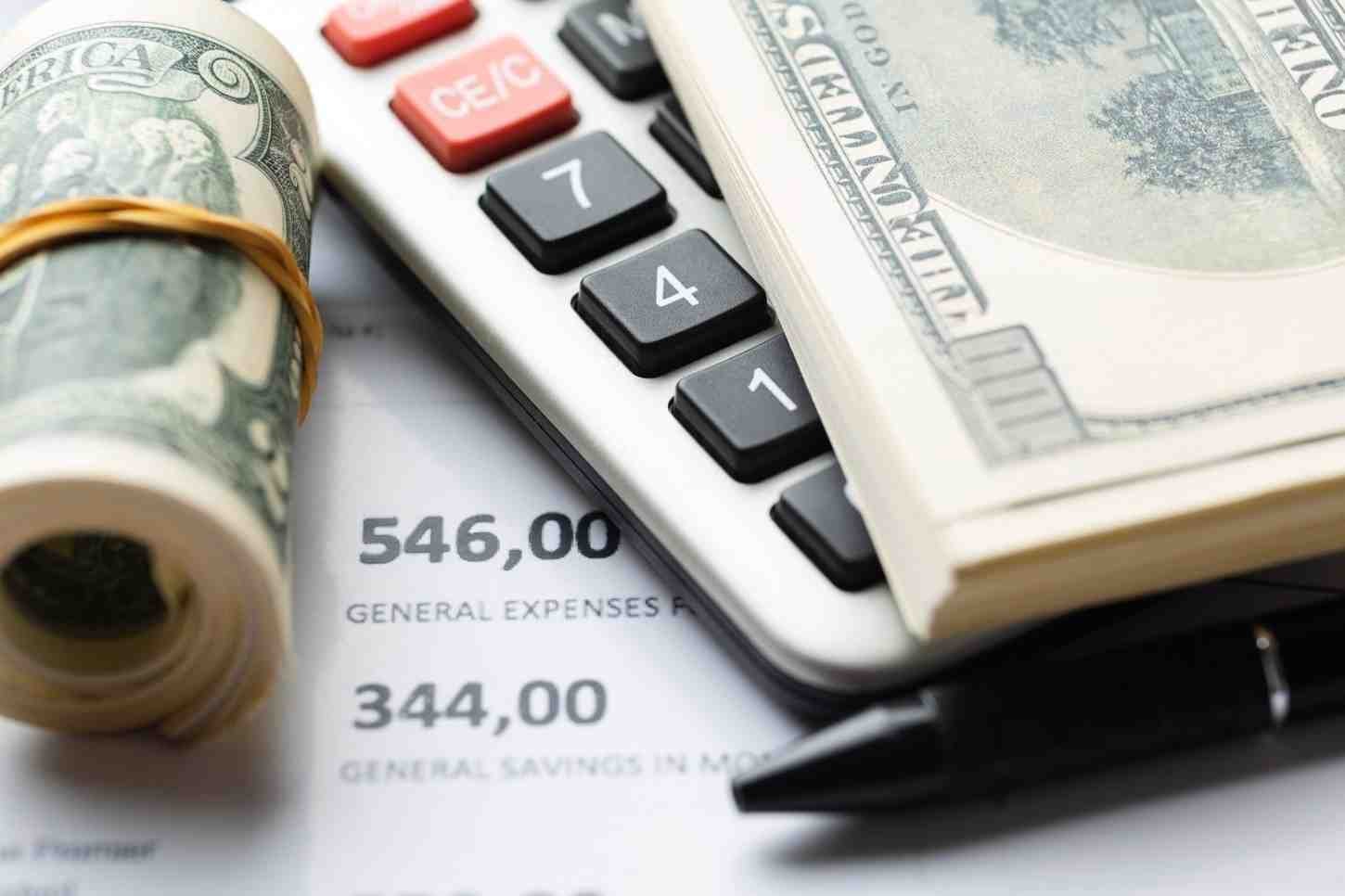
Here's what could happen if you don't cash paychecks on time:
It Becomes an Outstanding Check: At first, the money stays in your employer’s account. Expired paychecks are considered outstanding checks. Thus, the employer’s books still show the wage liability, even if the check wasn’t cashed.
You Might Need to Prove Your Identity: If you try to cash an expired check, the bank may ask you to prove your identity. You may have to present documents like your passport or driver's license to show you're the rightful recipient.
It Becomes Unclaimed Property (Escheatment): State unclaimed property laws require your employer to turn the funds over to the state after the time limit. This is called escheatment. Your pay becomes unclaimed property.
Usually, the allowed dormancy period differs depending on state law. Notwithstanding, you can reclaim your pay by proving ownership.
Regardless of the expiration date, you are entitled to your hard-earned wages. So, if your employer fails to reissue an uncashed check, you can file a wage claim with your state labor department. You can even sue in small claims court.
Read More: Ein On Paystub: Where To Find Your Employer Identification Number
Do Payroll Checks Expire? What To Do if You Have an Expired Paycheck
If you have an expired check, try cashing it still. If both the issuing bank and your bank accept it, you can easily get your funds. If not, follow these steps to get it replaced safely:
Contact Your Employer: If you realize your check has expired, reach out to your HR or payroll team immediately. Let them know the issue and request a replacement check.
Request a Reissue: Ask your employer to place a stop payment on the old paycheck. Request a new check or a direct deposit to avoid future issues.
Provide Information: Don't dispose of the expired check, as you may need to provide details from it.
Follow-up: It will likely take 5-7 days to process your request, so allow time. However, if this timeframe elapses and you have yet to receive a confirmation or new check, follow up.
Escalate if Needed: If your employer refuses to cooperate, contact your state’s Department of Labor or wage enforcement agency. States have laws protecting employees’ wages. They can help recover your hard-earned money, especially when the employer issued the check too late.
Also check: Create a professional pay stub easily with our generator.
How to Prevent Paychecks From Expiring
To prevent paycheck from expiring, you can:
Deposit or Cash Immediately: This is one of the easiest ways to avoid an expired check. Deposit or cash your check as soon as you receive it.
Use Direct Deposit: One of the pros of direct deposit is that it ensures your pay is deposited directly into your bank account on payday. This eliminates the risk of lost or expired checks.
Use Early Alerts: Set reminders on payday to deposit or cash any outstanding checks immediately. These habits can prevent you from having a stale dated check.
Organize Your Payroll: Review and manage your checks regularly. Ensure none sit uncashed for long periods.
Final Thoughts
So, if you are asking, do paychecks expire? The answer is yes, but only if you do not cash them on time. Most payroll checks become stale after 180 days. Meanwhile, government and specialty checks follow different timelines. However, the money never truly disappears, but delay may mean extra stress. Cashing outstanding checks promptly and using direct deposit can prevent paychecks from expiring.
Want an easy way to stay organized and avoid pay issues altogether? You can use our pay stub generator to create professional pay stubs in minutes.