Our customer support is available 24/7:


When Is The Best Time To Refinance Student Loans?

You've probably heard that refinancing could lower your monthly student loan payment, but you're not sure if now is the right moment. Figuring out when is the best time to refinance student loans comes down to a few simple signs you can check yourself. The good news? This isn't a do-or-die decision. This guide covers when refinancing makes sense, when to wait, and how to free up room in your budget. And if a lender asks for proof of income, PayStubCreator.net makes it quick.
Key Takeaways
- The best time to refinance is when your credit is solid, your income is steady, and you can get a lower interest rate than you have now.
- Refinancing federal student loans into a private loan means giving up forgiveness programs and income-driven repayment.
- You'll usually need proof of income, like recent pay stubs, to apply.
- You can refinance more than once, so you're never locked into one decision.
What It Means to Refinance Your Student Loans
Refinancing your student loans means a private lender pays off your current loans and replaces them with one new loan, ideally at a lower interest rate. It can shrink your monthly payment or help you pay off debt faster. Unlike consolidation, refinancing can actually lower the rate you owe.
Consolidation, by contrast, just bundles your loans together at a weighted-average rate without lowering it. When people ask about timing, they really want a lower rate that puts cash back in their pocket.
When Is the Best Time to Refinance Student Loans?
The best time to refinance student loans is when three things line up: your credit score is in good shape (mid-600s or higher), your income is steady, and you can qualify for a rate lower than what you pay now. If you're chasing federal loan forgiveness, though, it's usually better to wait.
Think of those three as green lights. When all of them are on, refinancing tends to be worth it. If your credit took a hit or your hours just got cut, it's okay to wait. A lower interest rate only helps if you qualify for one, so focus on your own finances, not daily market news.
Why Your Credit Score Is the First Thing to Check

Most lenders want a credit score in the mid-600s, and the higher your score, the better your rate. Your credit history and a record of on-time payments carry a lot of weight here.
If you're not at 650 yet, don't stress. Here's a simple plan to get there:
- Check your report for errors at annualcreditreport.com and dispute anything wrong.
- Pay your revolving balances down below 30% of your limit, or look into a credit-builder account.
- Give it about six months, then check your rate again.
One thing that takes the pressure off: getting a rate estimate (prequalification) usually uses a soft credit check, which does not affect your credit score.
Income, Job Stability, and Your Debt-to-Income Ratio
Lenders care less about a big paycheck and more about a steady one. They also look at your debt-to-income ratio, which is just your monthly debt payments divided by your monthly income.
Here's a quick example. If you earn $4,000 a month before taxes and owe $1,400 in debt payments (student loans, car, and credit cards combined), your debt-to-income ratio is 35%. That's comfortably under the 40% cutoff most lenders use.
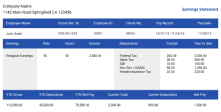
When you apply, the lender will ask you to verify your income, usually with recent pay stubs and a photo ID. If your employer doesn't hand those out, you can put together your own proof of income before you start.
Federal vs. Private Loans: What You Could Lose

This is the most important caution. When you refinance federal student loans, you move them to a private lender and give up federal protections for good.
Those protections are a real safety net. You'd lose Public Service Loan Forgiveness (PSLF), income-driven repayment plans that tie payments to what you earn, and the forbearance and deferment options that pause payments if you hit a rough patch. It helps to know the different loan types, since refinancing private student loans doesn't carry these tradeoffs.
A 2026 note: income-driven repayment plans like SAVE have been tangled up in court actions, so check your current options at studentaid.gov before giving anything up. If you might need forgiveness or flexible payments, keep your federal loans federal.
Interest Rates and the 2026 Rate Picture
You'll choose between a fixed rate and a variable rate. A fixed rate stays the same for the life of the loan, while a variable rate can start lower but move up or down over time. If you like predictable payments, fixed is the safer pick.
As of 2026, fixed refinancing rates from major lenders run roughly 3.90% to 9.99% APR, shaped by recent Federal Reserve moves. Don't wait for a perfect market moment. When is the best time to refinance student loans? It's whenever you can beat the rate you pay now, not when the headlines say so.
How to Refinance Your Student Loans Step by Step
To refinance your student loans, check your credit score, gather proof of income like recent pay stubs and a photo ID, then get prequalified with two or three lenders using a soft credit check. Compare the offers, pick a repayment term you're comfortable with, and finalize the loan that saves you the most.
Adding a cosigner with strong credit can get you a better rate if your own score isn't there yet. A shorter repayment term means higher monthly payments but less interest overall. Most reputable lenders, including Earnest, SoFi, and Navy Federal Credit Union, charge no origination fee, and many offer about a 0.25% autopay discount for setting up automatic payments. Have your pay stubs ready to show proof of income so the application goes smoothly.
Real-Life Moments When Refinancing Pays Off
Sometimes the answer to when is the best time to refinance student loans shows up in everyday life. Maybe you finally paid off your car loan and your credit score jumped, so you now qualify for a better rate. Maybe you moved from contract work to a full-time job and have steady income to show. Or you're planning a move and want a lower monthly payment before covering first and last month's rent, when you'll also need pay stubs for your rental application.
The payoff is real, too. Trimming $40 to $60 off your monthly payment is a week of groceries or a utility bill covered, money back in your pocket every month.
When It's NOT the Right Time to Refinance
Knowing when is the best time to refinance student loans also means knowing when it isn't. Refinancing isn't always the move. Hold off if you're on track for PSLF or another forgiveness program, since refinancing cancels that path. Wait if your income is shaky and you might need federal hardship protections. And if you're close to paying off your loans, the math often doesn't save enough to bother.
If you're a servicemember, know that refinancing federal loans can cost you SCRA interest rate benefits, so weigh that carefully before you switch.
You Might Also Like
- How Do Banks Verify Income for an Auto Loan?
- Net vs. Gross Income: What's the Difference?
- How to Calculate Your Monthly Income
- Do You Have to Pay Back FAFSA?
- What Is Not a Benefit of Having a Good Credit Score?
Conclusion: When Is the Best Time to Refinance Student Loans?
So, when is the best time to refinance student loans? It's when your credit is solid, your income is steady, and you can lock in a lower rate than you pay now. It also helps if you're not counting on federal forgiveness. If the timing isn't perfect yet, that's fine, because you can always refinance again later. When you're ready to apply, create your pay stub in under two minutes at PayStubCreator.net so your proof of income is good to go.