Our customer support is available 24/7:


What Is Not A Benefit Of Having A Good Credit Score?

You've worked hard to improve your credit score. Maybe you've paid every bill on time, kept your balances low, and avoided unnecessary hard inquiries. Now you're ready to apply for that apartment, a car loan, or a line of credit. But "What is not a benefit of having a good credit score?
More than most people expect, your score opens doors. However, it doesn't open all of them automatically. Income documentation, like pay stubs from a paystub generator, often matters just as much.
This guide explains exactly what a good credit score doesn't guarantee, so you know what else to bring to the table.
Key Takeaways
A good credit score does not guarantee loan approval, low interest rates, or automatic rental approval
Lenders also check your income, debt-to-income ratio, and bank account balance
Interest rates are partly market-driven. Even borrowers with 800+ scores saw 7% mortgage rates in 2024 and 2025
Many landlords require annual income equal to at least 40 times the monthly rent
Your pay stubs and proof of income matter just as much as your credit score
What Is a Good Credit Score?
Credit scores range from 300 to 850. A "good" score falls between 670 and 739 on the FICO scale. Scores of 740 to 799 are "very good," and scores of 800 or above are "exceptional." The national average as of December 2025 is 703, so most Americans already have at least decent credit standing. Having a high credit score above 740 puts you in the best tier for most lenders.
The 2026 FICO 10T model is now being adopted by lenders and tracks your balance trajectory over 24 months. A 720 score with rising balances may be treated less favorably than a 700 score with steadily declining debt. The direction your credit is heading matters, not just where it stands today.
If most people now have at least good credit, the real question is, "What is not a benefit of having a good credit score?" The answer matters a lot when you're applying for an apartment or a loan.
What Is Not a Benefit of Having a Good Credit Score?

A good credit score doesn't guarantee loan approval, low interest rates, automatic rental approval, lower insurance premiums, or strong overall financial health. Lenders and landlords also evaluate your income, debt-to-income ratio, employment history, and bank account balances. Your score signals how you manage debt, not what you earn or have saved.
Guaranteed Loan Approval
Lenders look at more than your score. You could have a 740 credit score and still get denied if your debt-to-income ratio is too high. Your credit score tells lenders you pay existing debts reliably. It doesn't tell them whether you can afford a new monthly payment on top of what you already owe.
Low Interest Rates Are Not Guaranteed
Your score earns you the best available rate at that time, but rates are partly market-driven. In 2024 and 2025, borrowers with 800+ scores still paid mortgage rates between 6.5% and 7.5% due to Federal Reserve rate hikes. Good credit earns you the floor rate for that moment. It can't go below what the market allows.
Automatic Rental Approval
Most landlords check more than your credit report. Many use a 40x rule. This means your annual income should be at least 40 times the monthly rent. Property management companies and management companies that handle large apartment complexes often apply this rule automatically.
In competitive markets, a 750-score applicant with moderate income can lose out to a 680-score applicant who earns 50x the rent. References and rental history carry just as much weight as your score, and how many pay stubs landlords require varies by market and property type.
Lower Insurance Premiums
Some states let insurers use credit-based scores when setting premiums. But four states, including Massachusetts and California, ban this for auto insurance. Where it's allowed, the typical savings between "good" and "excellent" credit is only $5 to $15 per month. That's far less than most people expect.
Guaranteed Good Financial Health
Your credit score tracks how you manage debt. It doesn't count your savings, income, or net worth. You can score 720 while living paycheck to paycheck with no emergency fund. A high score means you handle credit well. It says nothing about your financial stability in the bigger picture.
What Landlords and Lenders Really Check Beyond Your Score
You've done the credit work. Here's what you'll also need when you apply for an apartment or a loan.
Debt-to-Income Ratio
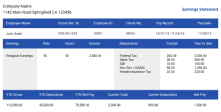
Most lenders cap DTI at 43%. If your existing debt payments already take up 38% of your income, a new loan may not get approved, even with a 750 score. Reviewing the year-to-date earnings on your pay stub helps you quickly see your income picture before lenders do. You can use the FICO loan savings calculator to see how your credit score and DTI interact when borrowing.
Income Verification
Landlords and lenders need to see pay stubs, tax returns, or bank statements in addition to your credit check. When lenders check your credit report, they review your income documents separately. Your score alone doesn't document your earnings. If your employer pays via direct deposit and doesn't mail paper stubs, learn how to get pay stubs from direct deposit so you're ready when they're needed for applications.
If you're self-employed or your employer doesn't provide official pay stubs, you can create professional pay stubs quickly at PayStubCreator.net, accepted for rental and loan applications.
Bank Account Reserves
Mortgage lenders typically want to see two to three months of mortgage payments saved in your account. Your credit score doesn't show that balance. Having all your financial documents ready before you apply significantly speeds up the process.
What a Good Credit Score Actually Does for You

Having good credit is still a real advantage. Good credit scores help you qualify for better rates, more products, and stronger terms. Here's what it genuinely helps with:
Better loan rates: You'll qualify for lower interest rates than someone with poor credit, even if the market sets the floor. A high credit score can mean lower monthly payments on mortgages, auto loans, and personal loans.
Stronger approval odds: Credit scores act as a gatekeeper. A high credit score can tip a borderline application toward approval and help you qualify for more loan types.
Reduced security deposit: Many landlords will lower or waive the security deposit for applicants with strong credit scores. Utility providers and cell phone carriers often do the same.
Favorable terms on cards and leases: Higher credit limits, credit card rewards, and better credit cards with lower rates all come with having good credit. Good credit scores help you qualify for favorable terms and credit card offers that would otherwise be out of reach.
Good credit gives you the best possible starting point. The outcome still depends on your income, credit history, and the lender's or landlord's specific requirements.
You Might Also Like
The Bottom Line: What Is Not a Benefit of Having a Good Credit Score
Now you know exactly what is not a benefit of having a good credit score, and what else you'll need to bring to the table. Loan approval, interest rates, rental decisions, and insurance premiums all depend on factors beyond your credit report. Income, savings, employment history, and proof of financial stability matter just as much.
Walk into your next application fully prepared, with your credit score in good shape and income documentation ready. Use our paystub generator to create professional pay stubs in minutes at PayStubCreator.net, so your next apartment or loan application is complete from the start.