Our customer support is available 24/7:

Pay Day Explained: Pay Periods, Pay Dates & Cycles (2026)

Your payroll schedule affects employee retention, cash flow, and legal compliance.
There is often confusion around the terms used. Payday or Pay Day? Merriam-Webster states the preferred form is "Payday". Pay Day is the two-word version that was previously used. In HR contexts, the term "pay date" is the most precise. If you need to create accurate pay documentation, a paystub generator can help.
This guide explains pay periods, pay dates, and pay cycles. You'll also understand how to choose the right schedule for your business.
Key Takeaways
- A pay day is the scheduled date employees receive compensation for a completed pay period.
- The four standard pay periods are weekly, biweekly, semimonthly, and monthly. Biweekly is the most common, with ~40% of US employers using it.
- Pay period and pay date are different. One is the work window, while the other is payment day.
- State laws dictate minimum pay frequency. Always verify your obligations through the DOL.
What Is a Pay Day?
A pay day is the date an employer pays an employee for work that has already been done. In the US, a pay day is usually a Friday for weekly or biweekly pay schedules.
When is payday at your company? If you are unsure, your employees may be curious to know. Having consistent pay days builds trust and reduces the time your HR team spends answering schedule-related questions.
What Is a Pay Period?
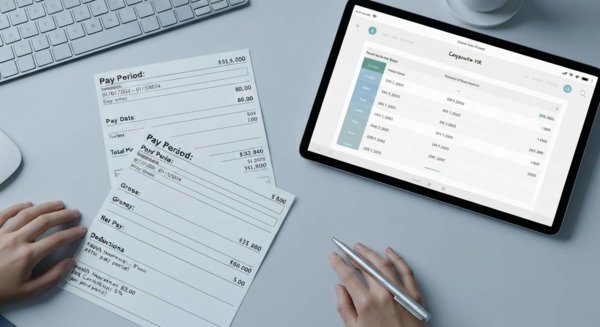
A pay period is the time range during which employee hours and wages are tracked. The pay period definition is simple. This means the dates an employee works before their next paycheck. The pay period meaning is the scheduled work window used to calculate earnings. The pay period ending date triggers the payroll run. The pay period ending meaning is the last day of that work window before payroll begins processing.
What's a pay period in practical terms? It's the cycle that determines when and how much your team gets paid. Understanding "What is pay period timing?" matters for accuracy. The ending date doesn't equal the pay date. Payment is made several days after payroll processing completes.
Is pay period per paycheck? Yes. Each cycle produces exactly one paycheck. Knowing the per-pay-period meaning for each benefit line helps employees understand their true take-home pay.
Sometimes, employees may not be aware of what a company is referring to on a benefits form. When you ask, "What does per pay period mean on a benefits form?", this refers to the amount deducted from each paycheck for benefits. For health insurance, $85 per pay period on a biweekly schedule equals $170 per month.
What does pay period hours mean? It refers to the total hours logged for each pay period, which is used to calculate the gross pay for hourly employees. For a more detailed explanation of pay stub deductions, see our guide to understanding pay stub deductions.
Pay Period vs. Pay Date vs. Pay Cycle
A pay period is the date range an employee works. Your paydate is when the money lands in their account. Many employees ask, "How is pay period different from a pay date?" These are two separate concepts. Here is a quick review of pay period vs pay date:
| Term | What It Means | Example |
|---|---|---|
| Pay period | Date range employees work | Jan 1 to 14 |
| Pay date | Day employees receive payment | Jan 21 |
| Pay cycle | The recurring schedule rhythm | Every 2 weeks |
| Payroll run | When the employer starts processing | Jan 17 (2-4 days early) |
What is a pay cycle? It's another term for a pay period. What is a payroll cycle? Same concept. The pay cycle meaning is synonymous with pay period. A pay cycle is the recurring interval that defines how often employees get paid. Your payroll run typically happens 2 to 4 days before the pay date to allow for direct deposit processing.
Types of Pay Periods
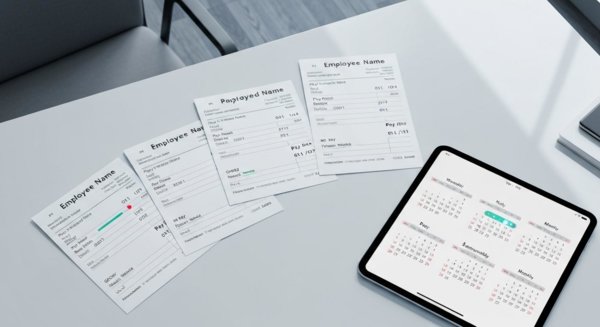
How long is a pay period? It depends on which of the four standard pay frequencies your business uses:
| Type | Duration | Periods/Year | Paychecks/Year |
|---|---|---|---|
| Weekly | 7 days | 52 | 52 |
| Biweekly | 14 days | 26 | 26 (sometimes 27) |
| Semimonthly | 15 to 16 days | 24 | 24 |
| Monthly | 28 to 31 days | 12 | 12 |
Weekly Pay Period
Suitable industries for weekly pay periods include construction, retail, and hospitality. Overtime pay is easy to calculate on a weekly schedule. However, the downside is that 52 pay stubs per year lead to higher administrative costs. A weekly paycheck calculator can help estimate take-home pay.
Biweekly Pay Period
Biweekly is the most common pay frequency in the U.S. private sector. A bi-weekly pay period runs every two weeks, producing 26 paychecks per year. According to U.S. Bureau of Labor Statistics data, about 4 in 10 private-sector employers pay their employees biweekly. Employees receive a paycheck every 2 weeks, totaling 26 pay periods per year. In 2026, some pay schedules may include a 27th pay period.
Need accurate pay documentation? Create professional pay stubs in under 2 minutes.
Semimonthly and Monthly Pay Periods
A semimonthly pay period schedules payment on fixed pay dates (such as the 1st and 15th of each month), totaling 24 paychecks per year. Monthly pay periods reduce the number of payroll processing runs to once per month. However, this can strain employee cash flow.
How To Choose a Pay Period for Your Business
Choose a pay period based on the following factors:
Cash flow: Weekly pay requires steady reserves. Monthly gives more float.
Employee mix: Hourly workers often prefer weekly or biweekly pay. Salaried staff are typically fine with semimonthly.
Admin capacity: More frequent pay periods lead to more payroll runs, payroll taxes processing, and tax withholding calculations.
- State compliance: Check your state regulations for any pay frequency requirements. Match your pay schedule to legal requirements.
State and Federal Pay Day Requirements
The Fair Labor Standards Act (FLSA) does not set a federal pay frequency requirement. Federal law does require a steady pay schedule for the full calendar year.
State laws vary:
- Arizona: Pay at least twice a month with no more than 16 days between pay periods
- California/Michigan: Frequency depends on employee occupation
- Alabama/South Carolina: No pay period length regulations
Use the U.S. Department of Labor tool to find current laws.
When is pay day mandatory? It depends on the state laws.
Do you get paid on a set schedule by law? In most states with pay period laws, the minimum frequency requirements must be met.
In Closing
Understanding the differences between pay periods, pay dates, and pay cycles will help in delivering an efficient payroll. Pay frequency can vary depending on your cash flow and workforce.
Every pay period produces a pay stub documenting earnings, deductions, and net pay. It is important to understand what all the pay stub abbreviations mean in order to get a clear and understandable pay stub. Get our paystub sample templates at PayStubCreator.net.