Our customer support is available 24/7:


What Does Ytd Mean On A Pay Stub? Employer Guide (2026)

If you run payroll, you need to know "What does YTD mean on a pay stub?" YTD stands for year-to-date. It's the running total of earnings, deductions, and taxes from January 1 to the current pay date.
For employers using a pay stub generator, correct YTD figures mean clean W-2 filings and smooth Form 941 submissions.
Key Takeaways
YTD (year-to-date) on a pay stub tracks cumulative earnings, deductions, and taxes from January 1 to the current pay period.
Employers use YTD figures to prepare W-2s, file Form 941, and manage payroll budgets.
The 2026 Social Security wage base is $176,100. YTD tracking determines when withholding stops.
Reconcile YTD payroll records quarterly to catch errors before year-end.
What Does YTD Mean on a Pay Stub?
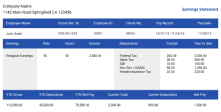
What does YTD stand for on a pay stub? YTD stands for "year-to-date" on a pay stub. It shows the cumulative total of earnings, deductions, and tax withholdings from January 1 through the current pay period. Employers rely on YTD figures for W-2 preparation, Form 941 filings, and payroll budgets.
The YTD amount meaning is simple. It's a running total that grows with each paycheck you issue. What is YTD amount on your employees' stubs? It's every dollar earned and withheld since the beginning of the calendar year.
Also, what does YTD mean on a paycheck versus the "Current" column? Current shows one pay period. YTD shows the total since January 1. The YTD meaning paycheck question comes up often. Knowing this can help you answer employees quickly.
Questions, such as "What does YTD mean on a check stub?", "What does YTD mean on paycheck reports?" or "What does year to date mean on a pay stub?" have the same answer as before. They all share the same concept.
The YTD meaning in paycheck discussions remains the same, regardless of format. Whether your team asks "What is YTD in paycheck terms or checks the YTD on paycheck column, the answer is always the cumulative annual total. Now that you know "What does YTD mean on a pay stub?", the next step is understanding the different YTD categories.
What Does YTD Mean on a Pay Stub by Category?

Pay stubs include several YTD categories. Understanding "What does YTD amount mean across each?" can help verify payroll accuracy.
YTD Gross Pay
The gross pay YTD figure is total compensation before deductions. It includes regular wages, overtime pay, bonuses, and commissions. The YTD gross meaning is everything earned, with nothing subtracted. Gross YTD meaning stays consistent across all pay frequencies.
YTD Net Pay
Cumulative take-home pay after all withholdings. This is what hits employee bank accounts over the year.
YTD Deductions
Covers federal withholding, Social Security, Medicare, 401(k) contributions, health insurance premiums, and HSA amounts. In 2026, the Social Security wage base is $176,100. Once YTD gross hits that number, you can stop the 6.2% withholding. For a full breakdown, see our guide on understanding pay stub deductions.
YTD Taxes
FICA (Social Security and Medicare), federal income tax, and state/local amounts. These are tracked apart from benefit deductions. Learn more about the FWT meaning on your pay stub.
YTD Hours
The YTD hours meaning is the total hours worked since January 1. This matters for ACA rules. Employees who average 30+ hours weekly qualify for your health plan. YTD hours also help track overtime.
How To Calculate YTD on a Pay Stub
Here's how to calculate YTD income from pay stub records for your payroll.
- Add each employee's gross earnings from January 1 through the current pay date.
- Tally deductions for taxes, retirement, and insurance.
- Subtract total deductions from gross earnings. The result is YTD net pay.
Most payroll software handles this automatically.
For example:
Add each employee's YTD gross: Employee A at $42,000 + Employee B at $38,000 + Employee C at $27,000.
Total YTD payroll expense: $107,000.
Want to know how to calculate YTD on pay stub figures without records? Multiply gross pay per period by paychecks issued.
Example: $3,500 bi-weekly x 10 paychecks = $35,000 YTD gross.
That's how to calculate year-to-date on pay stub data from scratch. You can also use our pay stub creator to calculate and display YTD amounts automatically.
YTD resets to zero every January 1. The IRS operates on a calendar-year cycle. W-2 forms need full annual totals, so run your last payroll before December 31.
Why YTD Matters for Your Business

Your year-to-date pay stub data serves three key functions.
It lets you compare YTD payroll against your annual budget.
Form 941 filings and W-2 and 1099 forms require accurate cumulative figures. The IRS checks these, and errors trigger audits. If you need help with W-2 calculations, see how to calculate W-2 wages from a paystub.
Reconcile YTD records each quarter against Form 941 submissions. This catches misclassified independent contractor payments and withholding errors early.
What is YTD on pay stub data worth? It's your defense against IRS penalties. The YTD meaning payslip is identical whether stubs are physical or digital.
Common YTD Mistakes Employers Make
Not Reconciling Quarterly: Match YTD payroll records against each Form 941 filing. Q1 in April, Q2 in July, Q3 in October, Q4 in January.
Misclassifying Contractor Payments: Contractor pay belongs on 1099 forms, not in employee YTD columns. Mixing them can inflate your payroll tax liability. If you issue 1099s, learn what a 1099 pay stub looks like.
Failing to Verify the January Reset: Confirm every employee's YTD starts at zero on January 1. Carryover from the previous year corrupts your annual record.
Skipping Mid-Year Corrections: Discover a withholding error in June? Correct it immediately. Waiting until Q4 complicates W-2 preparation. Review our guide on pay stub exemptions for more details.
You Might Also Like
Conclusion
Now you know "What does YTD mean on a pay stub?" and how it affects your payroll operations. Accurate YTD tracking protects your business from compliance issues and gives clear visibility into payroll costs. Verify figures quarterly, classify employees and contractors correctly, and confirm the January 1 reset every year.
Need a paystub generator with year-to-date calculations? PayStubCreator.net generates compliant pay stubs in under two minutes. Get a free paystub generator with year-to-date tracking for accurate documentation for your team.