Our customer support is available 24/7:


Pay Date Vs Pay Period Vs Check Date: Key Differences

If you are responsible for payroll, you need to understand the difference between pay period and pay date. When you also factor in the check date, each term affects tax deposits, W-2 reporting, and how employees get paid.
A pay stub generator can help you document all of it accurately. Here's what they mean and why they matter.
Key Takeaways
- A pay date is when employees receive compensation, while a pay period is the timeframe they worked
- Check date determines IRS payroll tax deposit deadlines
- State laws, not the federal FLSA, govern pay date requirements
- W-2 earnings are based on the pay date, not when the work was performed
- Most employers need 3-5 business days between the pay period end and paydate for processing
What Is a Pay Date?
A pay date is the specific day employees receive their wages, either by direct deposit or by check. State laws govern when employers must pay. Massachusetts, for example, requires payment within 6 days of the pay period ending.
So, what does pay date mean in practice? It is the date of record for tax purposes, even if banks release direct deposit funds a day early. The FLSA does not set pay frequency. Instead, each state's Department of Labor sets payday rules. Your paydate must comply with the state where employees work.
What Is a Pay Period?

A pay period is the timeframe used to calculate employee earnings. Common schedules include:
- Weekly (52 paychecks/year)
- Biweekly (26)
- Semi-monthly (24)
- Monthly (12)
HR teams typically allow 3-5 processing days between the period end and pay date.
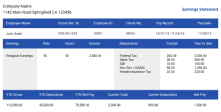
How is a pay period different than a pay date? The pay period defines when work happens, while the pay date defines when payment is issued. Salaried employees receive the same gross pay each period, while hourly employees' pay varies based on hours worked. Construction and retail typically run on a weekly schedule. Corporate offices use biweekly, and government agencies use semi-monthly. You can find your employee ID on your paystub to verify which pay schedule applies to you.
What Does Check Date Mean?
What does check date mean on paycheck records? The check date is the date printed on a paycheck or recorded for direct deposit. It determines when funds become available and sets IRS payroll tax deposit deadlines. In most direct deposit scenarios, the check date and pay date are identical.
For employers, the check date meaning extends to tax compliance. Your deposit schedule is triggered by this date.
What is a check date for quarterly filing? Form 941 relies on check dates to assign wages to the correct quarter. A January 2 check date for December work places that income in Q1 of the new year. Understanding the FWT meaning on your pay stub can clarify how federal taxes connect to these dates.
Pay Date vs Pay Period: Key Differences

The difference between pay period and pay date is simple. The pay period is the duration during which employees perform work (e.g., December 1-15). The pay date is when they receive compensation (e.g., December 20). That gap allows payroll teams to calculate hours, deductions, and tax withholdings.
| Term | Definition | Determines |
|---|---|---|
| Pay Period | The timeframe work is performed | Earnings calculation |
| Pay Date | Day payment is issued | Fund disbursement |
| Check Date | Date on the paycheck | Tax deposit deadlines |
In 2026, employers running a biweekly payroll can plan for a possible 27th pay period due to calendar alignment, which affects annual budgeting. Tracking year-to-date earnings on your pay stub can help you stay on top of these changes.
Pay Date, Tax, and W-2 Implications
W-2 earnings are based on pay date, not when work was performed. If a pay period ends December 28 but the pay date falls on January 4, that income appears on the following year's W-2. Learn more about how to calculate W-2 wages from a paystub to verify your totals.
The IRS treats compensation based on the calendar year in which it was paid. Payroll tax deposits follow the same rule, with deadlines keyed to the check date on each payroll run. Understanding the OASDI tax meaning on your pay stub can help you track these deductions accurately.
You Might Also Like
- How Many Pay Stubs Do You Need for an Apartment
- Can You Have Two W-2 Jobs at the Same Time
- FedEx Payroll: Accessing Your Pay Information
- Free Paystub Generator
- Paystub Sample Templates
- How Perpay Works and Helps You Build Credit
In Conclusion
Understanding pay date, pay period, and check date keeps your payroll accurate and compliant. The pay date drives tax deposit deadlines, W-2 reporting, and employee satisfaction.
Streamline your payroll documentation. Generate professional pay stubs at PayStubCreator.net.