Our customer support is available 24/7:

Pros And Cons Of Biweekly Pay: Hr Guide For 2026

Understanding the pros and cons of biweekly pay helps HR managers and small business owners pick the right schedule from the start. Biweekly pay is the most common structure in the U.S. for good reason, but it isn't the right fit for every organization.
Before finalizing your schedule, you'll also need accurate pay stub documentation for every pay period.
This article covers the pros and cons of biweekly pay and what it means for your business.
Key Takeaways
- Biweekly pay means 26 paychecks per year, issued every two weeks
- 43% of U.S. businesses use biweekly pay, making it the most common schedule
- Key employer advantages: simplified overtime calculations and lower processing costs than weekly
- Key disadvantage: two months per year produce three paychecks, which complicates benefit deductions
- Best fit for businesses with hourly workers who need predictable, consistent pay cycles
What Is Biweekly Pay?
Biweekly pay means employees receive paychecks every two weeks, resulting in 26 pay periods per year. According to the Bureau of Labor Statistics, 43-45% of U.S. private businesses use this schedule, making it the most common pay frequency. Education, health services, and retail sectors rely on it most heavily.
The practical reality is that biweekly pay is already the industry standard for most hourly workforces. Retailers such as Amazon, Walmart, Target, UPS, and FedEx all use biweekly pay for hourly workers. If you're staffing a business in those sectors, biweekly isn't just convenient. It's what your employees expect.
Pros and Cons of Biweekly Pay: Employer Benefits
From an employer's standpoint, three concrete advantages stand out.
Simplified Overtime Calculations
Biweekly pay aligns cleanly with the standard 40-hour workweek under the FLSA. Each pay period covers exactly two workweeks, so overtime calculations are straightforward. Any hours over 40 in a single week trigger time-and-a-half.
Compare this to a semimonthly schedule, where pay periods can be split across calendar weeks and complicate overtime math. For businesses with heavy hourly work, this alone makes biweekly the practical choice.
Lower Processing Costs Than Weekly
Running payroll 26 times per year costs measurably less than 52 weekly runs. Payroll service fees are often charged per processing run, so cutting frequency in half cuts that line item directly. Major platforms like ADP, Gusto, and QuickBooks Payroll all support biweekly natively, and FedEx runs biweekly payroll at scale for this reason.
Employee Retention and Predictability
Employees value predictable pay dates. With biweekly pay, staff know exactly when they'll be paid and can budget accordingly. In 2026, biweekly employees receive an extra paycheck in two months. This is a windfall many treat as a savings or debt-payoff opportunity.
Pros and Cons of Biweekly Pay: The Drawbacks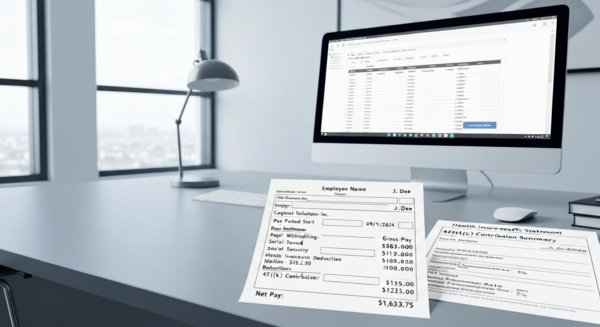
Three specific drawbacks consistently surface for HR teams managing this schedule.
Benefits Deduction Alignment
Health insurance and 401(k) contributions are typically deducted as fixed monthly amounts. When a month has three pay periods, you must decide whether to skip the deduction on the third check or take a partial amount. Semimonthly schedules avoid this entirely.
More Processing Runs Than Monthly
Switching from monthly to biweekly adds 14 payroll runs per year. This means 14 more data entry windows, direct deposit processing cycles, and reconciliation tasks.
Is Bi Weekly Pay Bad?
Not inherently. The main challenges affect employers managing benefit deductions in three-period months, and employees with tight cash flow between checks. These are manageable problems, not disqualifying ones.
Need compliant pay documentation for every biweekly run? Generate professional pay stubs at PayStubCreator.net.
How Biweekly Pay Affects Employees
Employees on a biweekly schedule receive two paychecks in most months and three in two months per year. A longer gap between paychecks than in weekly pay can create cash flow pressure for hourly workers, particularly those in lower wage brackets.
Setting up automatic transfers to savings on each payday can build a buffer over time. When a three-paycheck month arrives, treating that third check as a windfall for an emergency fund or debt payoff compounds the benefit.
From a documentation standpoint, 26 biweekly pay stubs per year produce consistent, credible income records. Understanding your year-to-date earnings on your pay stub can help employees and lenders verify income accurately. An employment verification letter can supplement pay records when additional documentation is needed.
Biweekly vs. Semimonthly Pay

The most common alternative to biweekly pay is semimonthly. Paychecks are issued twice per month on fixed dates, such as the 1st and 15th. Here's how they compare directly.
| Schedule | Pay Periods/Year | Gross Pay on $45k Salary | Overtime Alignment | Benefit Deduction Simplicity |
|---|---|---|---|---|
| Weekly | 52 | ~$865/check | Best | Hardest |
| Biweekly | 26 | ~$1,731/check | Good | Moderate |
| Semimonthly | 24 | ~$1,875/check | Harder | Easiest |
| Monthly | 12 | ~$3,750/check | Hardest | Easiest |
Biweekly works better for hourly workforces where overtime tracking matters. Semimonthly suits salaried office teams where consistent monthly benefit deductions are the priority.
Employer Compliance and Legal Considerations
Pay schedule decisions are not purely operational. The FLSA requires pay frequency to be consistent year-round. You cannot switch from biweekly to monthly mid-year without proper legal notice. The Department of Labor's state payday requirements page documents minimum frequency rules by state. California, for example, requires most employees to be paid at least semi-monthly.
Changing a pay schedule requires advance written notice. Document every change, retain pay records per your state's requirements, and consult your payroll provider before transitioning. Understanding FWT meaning on a pay stub helps HR teams ensure federal withholding is correctly documented on every biweekly check.
How To Choose the Right Pay Schedule
No single pay schedule is universally correct. Consider these four factors when choosing one for your business:
Workforce composition: Hourly workers with overtime exposure benefit most from biweekly pay. Salaried exempt employees often adapt easily to semimonthly.
Industry norms: Retail, warehousing, and hospitality expect biweekly. Professional services and finance lean semimonthly. Matching your industry reduces friction at hiring.
Payroll software capabilities: Most major providers support biweekly natively, but confirm before committing.
Employee cash flow needs: If payday gaps are a concern, earned wage access (EWA) tools can complement a biweekly schedule, letting employees draw on earned wages before payday without changing your payroll cycle.
You Might Also Like
- How to Find Your Employee ID on a Pay Stub
- How to Get Pay Stubs from Direct Deposit
- OASDI Tax: What It Means on Your Paycheck
- How to Calculate W-2 Wages from a Pay Stub
- Pay Stub Abbreviations: What Everything Means
- How to Access Your DoorDash Pay Stub
To Sum Up
Weighing the pros and cons of biweekly pay leads most HR teams to the same conclusion. For hourly-heavy businesses, biweekly is the most practical default. The overall pros and cons of biweekly pay tilt positive when your workforce is primarily hourly. It balances administrative efficiency with employee satisfaction and aligns naturally with overtime law. The disadvantages, primarily around benefits deductions in three-period months, are manageable with proper payroll software configuration.
Once your schedule is set, accurate pay documentation matters every single run. Ready to streamline your payroll records? Generate professional biweekly pay stubs in under 2 minutes with our pay stub generator.